Ramadan is a month of blessings, of spiritual reflection, of self-enhancement, and of heightened devoutness and worship. Concurrently it’s a time of great joy and festivity in Qatar. The essence of this month is very much reflected in Qatari society as Qatar offers a lot to experience the literal and figurative cultural and religious flavor of the region during this blessed month.
Ramadan 2021 would embark me on a sail to observe this precious month in this amazing country for the 11th time in a row. Being born and raised in one country and being a part of the traditions and culture of another for almost a decade, mirrors a lot in one’s character. Qatar is the home that I nurtured far away from home and here we greet our friends and family on the onset of Ramadan by saying ‘Mubarak Alekoum El Shahar’ (May this month be a blessed one).
Disclaimer: This blog contains information and images gathered from various resources and throws light on how Ramadan is welcomed and celebrated in The State of Qatar. At present, COVID-19 restrictions have been re-imposed since 26 March, 2021. Social gatherings and visits in homes and majlis’s are prohibited, a maximum of only 5 people in open spaces allowed.
Al-Nafla: Fifteen days prior to Ramadan, on the 14th day of Sha’ban, Al Nafla is celebrated. It’s an Arabic word for ‘an abundance‘. Al-Nafla is based on the act of giving and sharing. Families gather, prepare traditional food, distribute among their neighbors and to the deserving, and get reminded of the blessings and rewards accompanying the coming month.
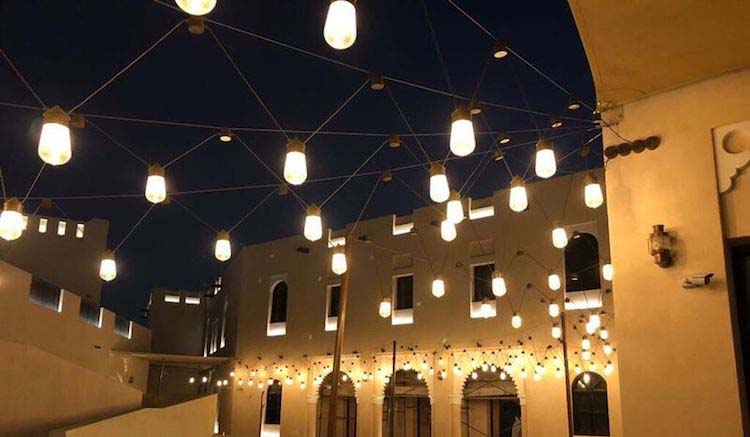
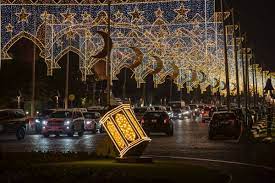
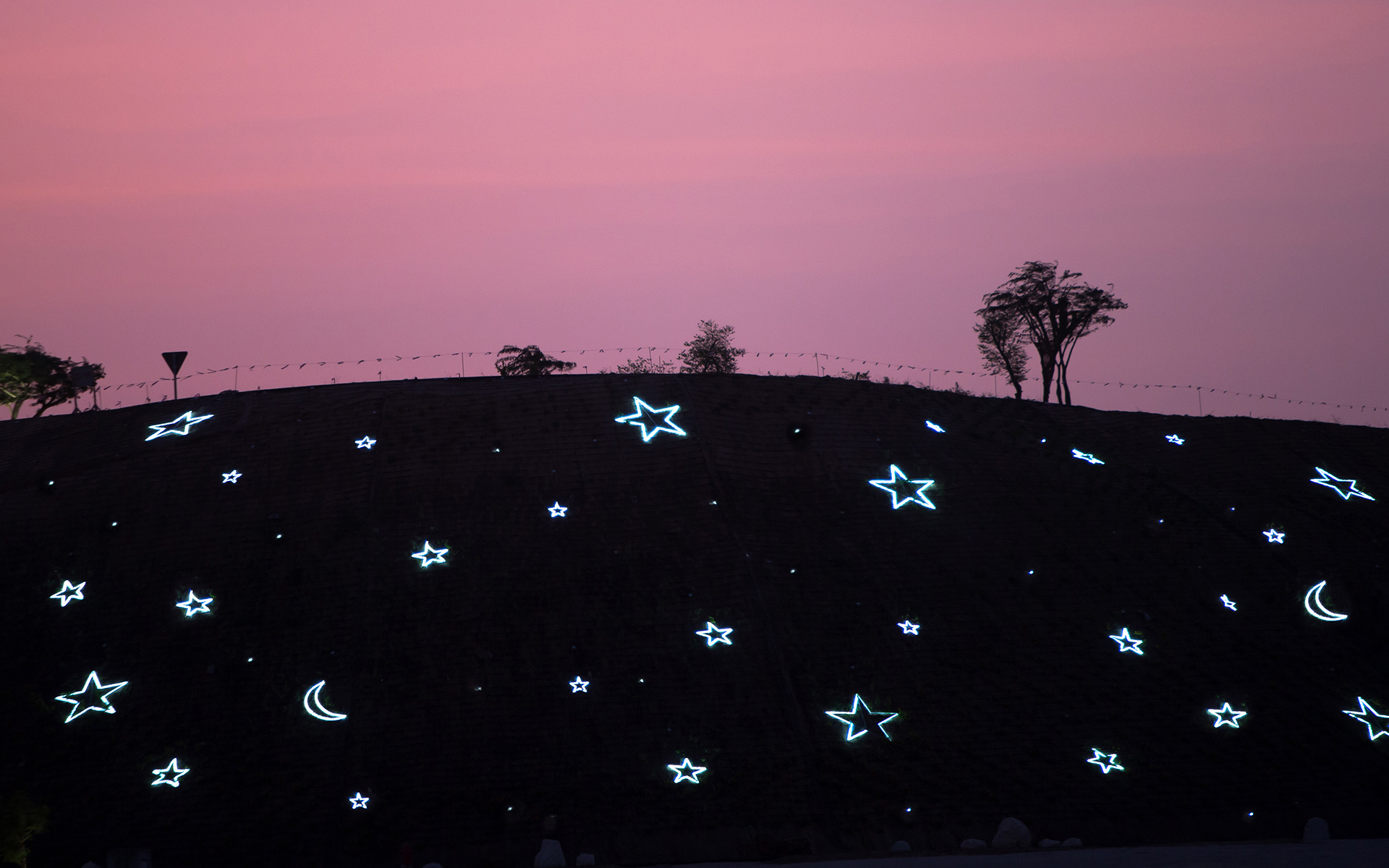
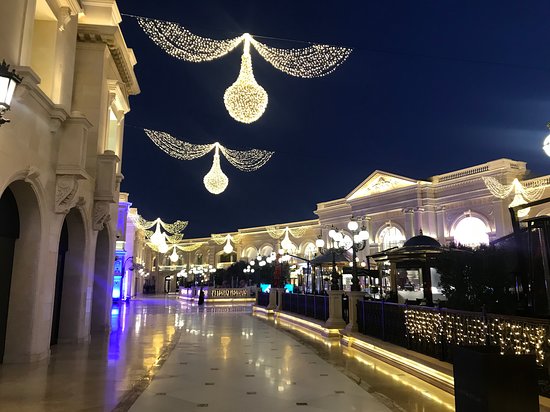
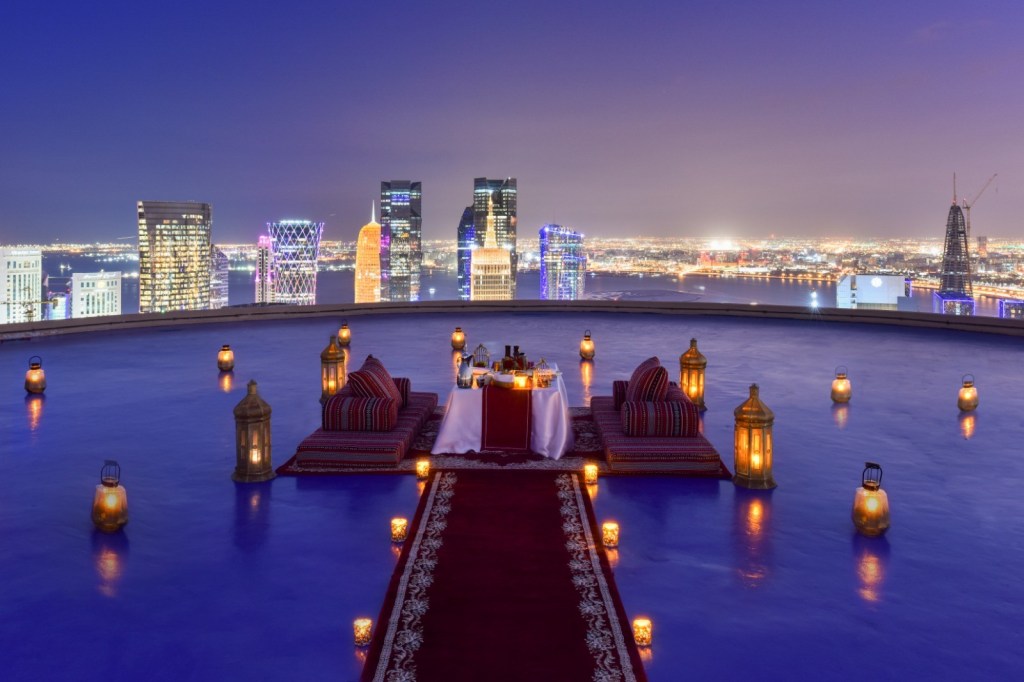
The Décor: All the main landmarks and the malls are richly adorned every year to welcome this blessed month. People also light up and decorate their homes. Ramadan Lanterns are a common ornament to decorate with.




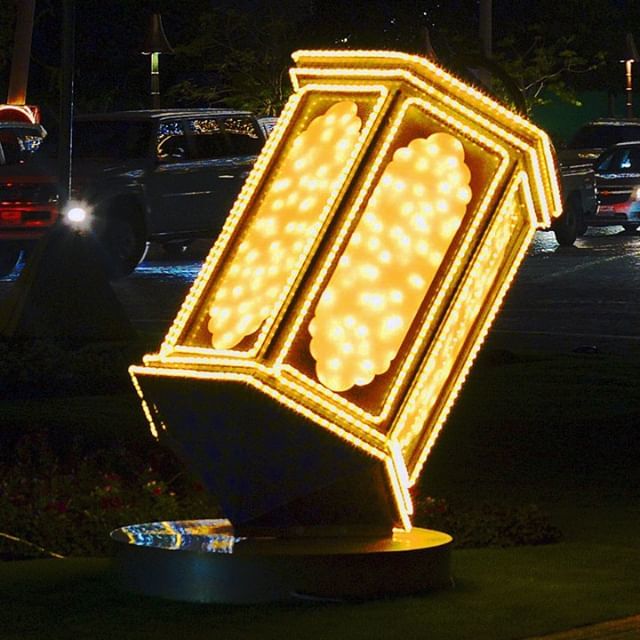
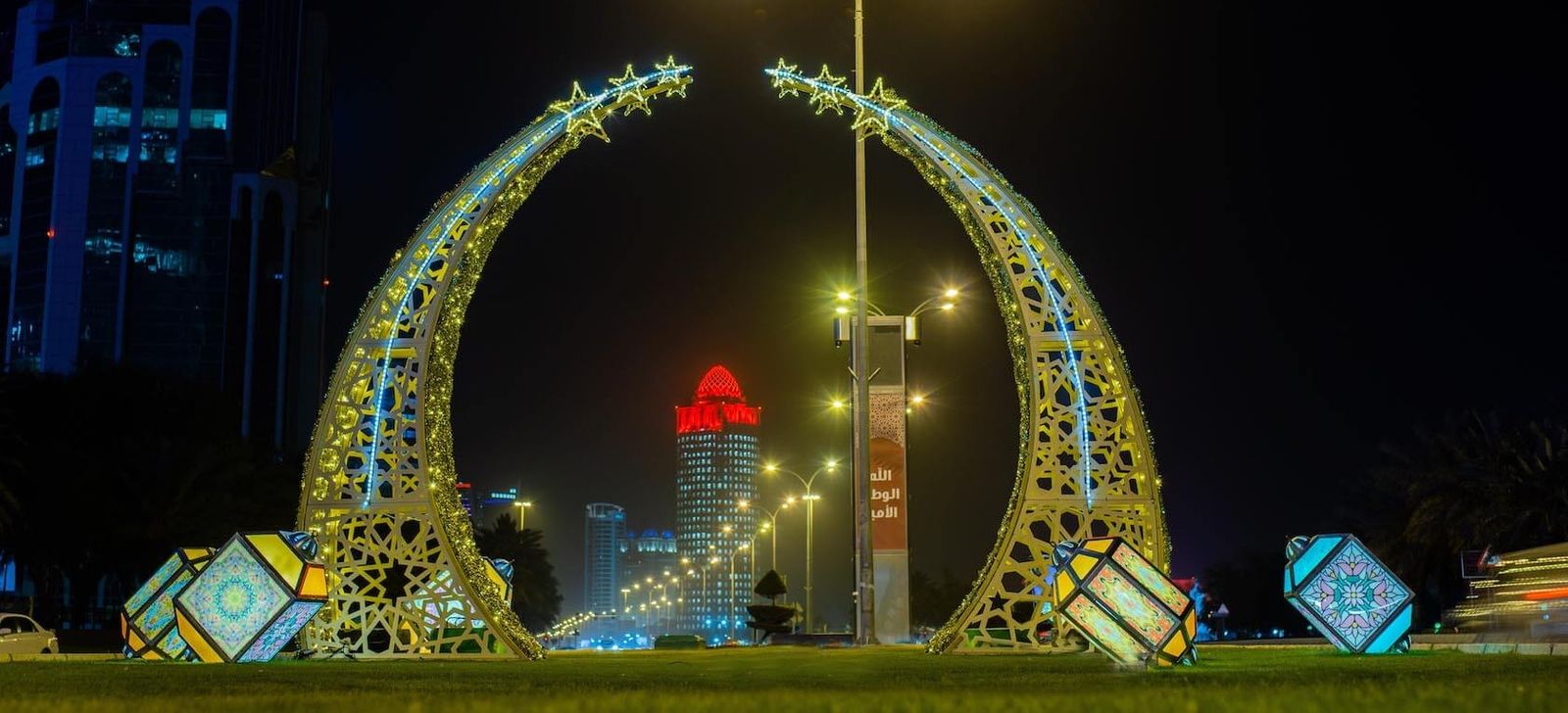

Ramadan Cannon: Traditionally, a cannon was fired at the sunset to mark the end of the fast. The reason being aiding people away from the town to hear the signal and know about the time to break the fast. Regardless of all the modern means at hand, Qatar carries this convention ceremoniously even today, and it’s broadcasted live on Qatar TV as a sign of the end of a day’s fast. Ramadan Cannon gets installed at four different locations and is a sight to see.


Garangao: On the 14th day of Ramadan, Garangao is celebrated. The term comes from a Khaliji word ‘Gara‘, a word for the sound of things when knocked together. This festival, by and large, stands out as one of the most prominent Ramadan traditions in the Gulf society. It’s a fun tradition for children and a way to commend their efforts in fasting halfway through the month and also to enliven the youngsters amidst its long stretch. Children, after the sunset, dress up in their traditional clothes, carry a decorated bag along, and walk around their neighborhoods singing the Garangao Song, hitting stones together to create a rhythm (knocking stones is not usually practiced today). In the past, they were given dates, rice and wheat, but nowadays children usually receive nuts and sweets. All schools in Qatar actively take part in celebrating Garangao within the school’s premises and encourage children and their parents to participate in the activities and enjoy the festival to its fullest. My 8-year-old has been a part of this festival for the last 5 years and awaits it every Ramadan. (Subject to COVID-19 restrictions)


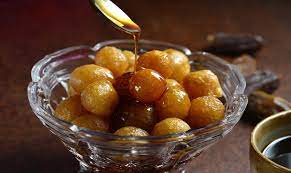
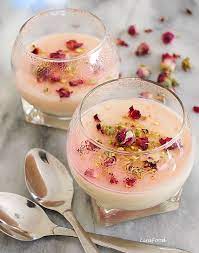
Qatari Ramadan Table: Where novel, unique and recharged culinary experience, spearheaded by the world’s renowned chefs is a thing in Qatar, Qatari ages have kept on safeguarding the vast majority of traditional dishes until the present day. To date, they love breaking their fast with dates and yogurt (or laban). The standout amongst all and one of the most significant and a principle dish is Harees that is served throughout Ramadan. Jareesh, Thareed, Machboos, and Mathrooba are other Ramadan staples. Sweets like Luqaimat, Mahalabia, and Balaleet are Ramadan delicacies. Ramadan drinks include Tamar Hindi, Qamar al Deen, Jallab, Aragh Sous, Karkedeh and not forgetting to mention the sugary sweetness, Vimto. Vimto is to Qatar what Rooh Afza is to Pakistan in Ramadan. Watch Mr. Q enlightening you about these drinks here. ( A Must Watch).

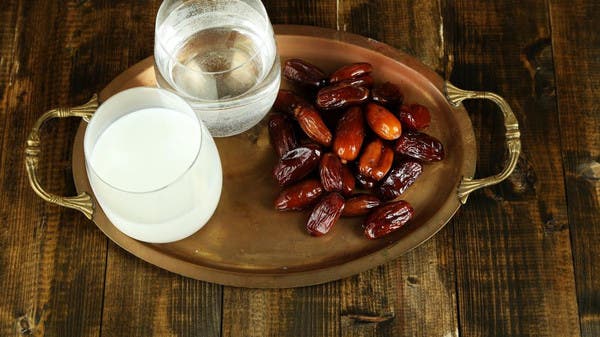
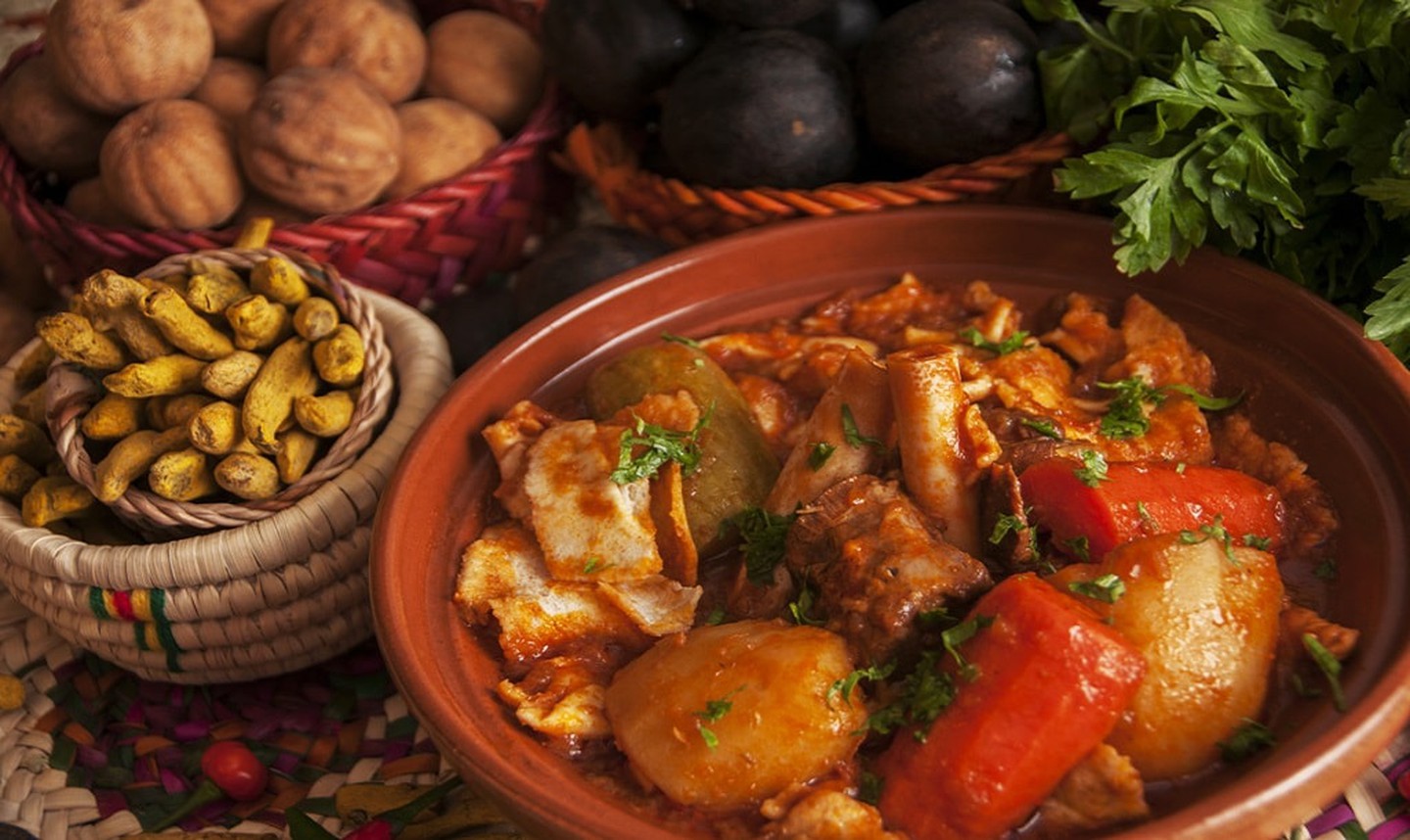




Ghabga: The traditional evening meal between fatoor and suhoor is called ‘Ghabga‘. The purpose is to get together after a day’s long fast and Taraweeh to sit over a meal, gehwa or tea while chit-chatting, rekindling connections, recapping recollections, or a just for a mindful talk. Mr. Q will let you know more about Ghabga here. (A Must Watch)
Mosahrati: An old propensity but still practiced and viewed as a gift. Mosahrati is Ramadan scouts that thump a drum and sing the Islamic tunes of Ramadan, in some portion of the old neighborhoods of Qatar, to wake individuals up for suhoor.
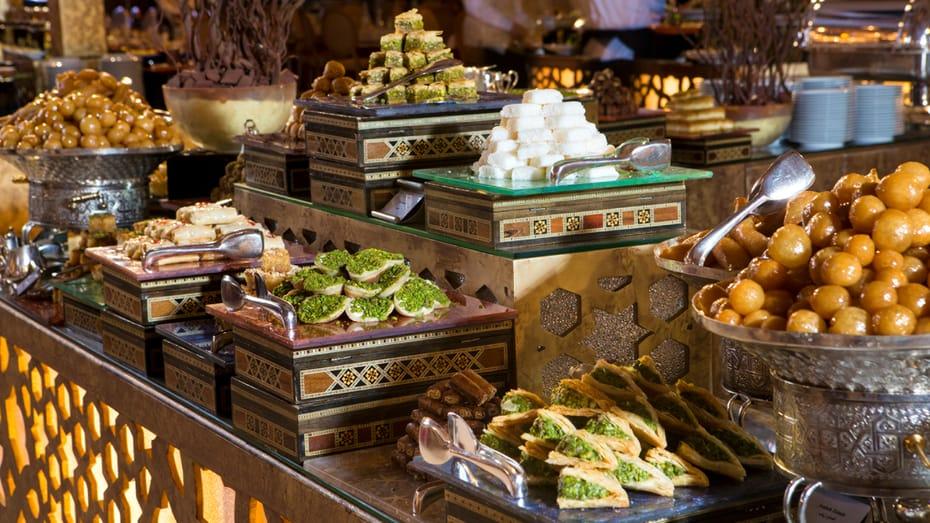
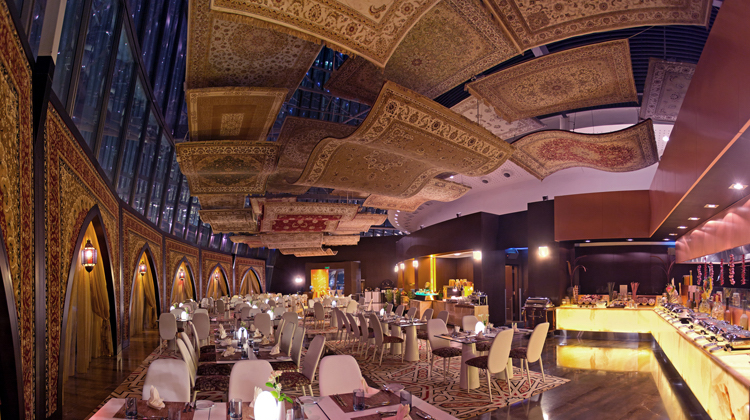
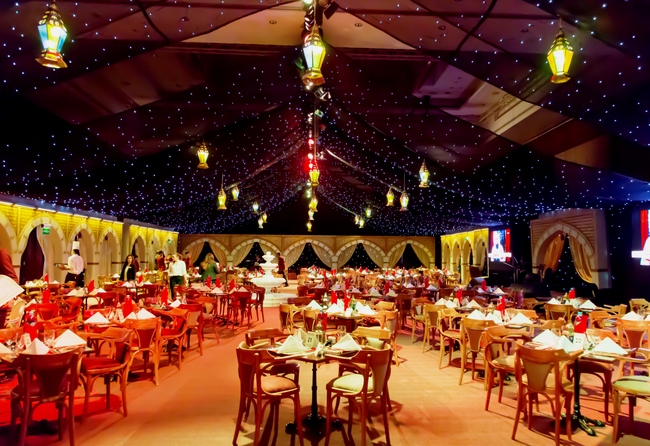
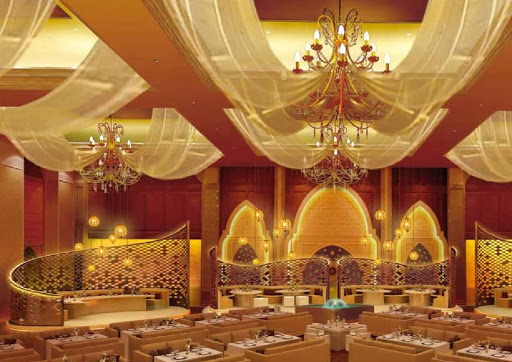
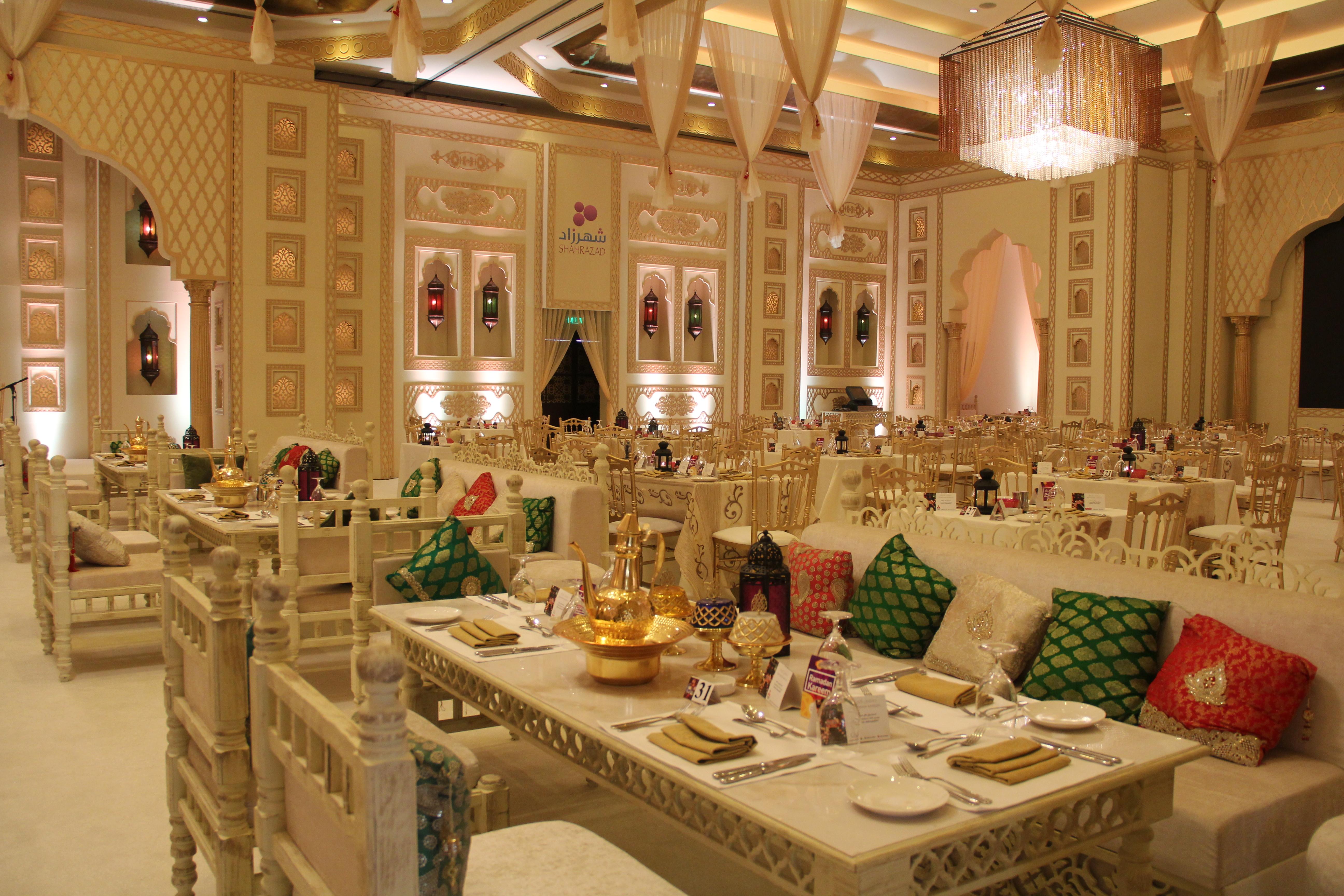
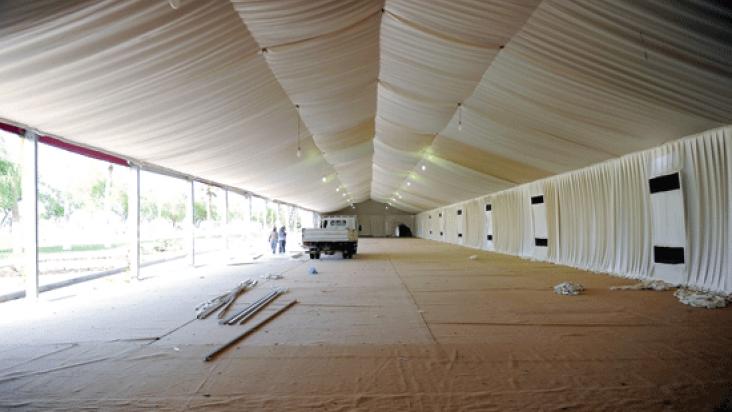
Ramadan Tents: Ramadan Tents are not real tents, rather they are put up within hotel ballrooms, or attached via an outdoor terrace. They are inspired by Bedouin or Arabian themes and feature opulent designs and with their drapery and lightening, give a feel of a tent. They offer a buffet but with a greater focus on ethnic and regional cuisine. Here are some of the many Ramadan tents in Qatar. (Due to COVID-19 restrictions dine-in is available only at Qatar Clean Certified restaurants. For more information visit Ramadan.qa)


Working Hours: The working hours during Ramadan are reduced from 8 hours to 6 hours a day. Reduced working timings are implemented to facilitate those that are fasting and to make it easier for them. Likewise, school timings are also reduced to 5 hours from 7 hours.
Night Activities: During Ramadan, most places are open till late. Most restaurants are open till approximately 2:30 am, so one can enjoy midnight or after midnight snacks or even suhoor. There’s an aura of festivity with lots of Ramadan decorations, kiosks, night markets, lots of food and so much more. There are lots of Ramadan shopping and dining deals in and around Doha for one to enjoy. (Restrictions imposed due to COVID-19).
Qiyam ul Layl: The last 10 days of Ramadan are considered very sacred and significant. The term ‘Qiyam ul Layl‘ in its most literal sense means ‘stand during the night’. The mosques are so full that sometimes fitting up becomes a thing. There is a separate arrangement for women too in all mosques. The Night of Decree falls in one of these 10 nights so, everyone tries to make the most out of these blessed nights. Watching people reciting Qur’an and doing dhikr on tasbeeh (rosary) is a common sight to witness during Ramadan. (Due to COVID-19 restrictions, mosques will be open to perform the daily duties and Friday prayers, but the Taraweeh prayers are to be performed at home).


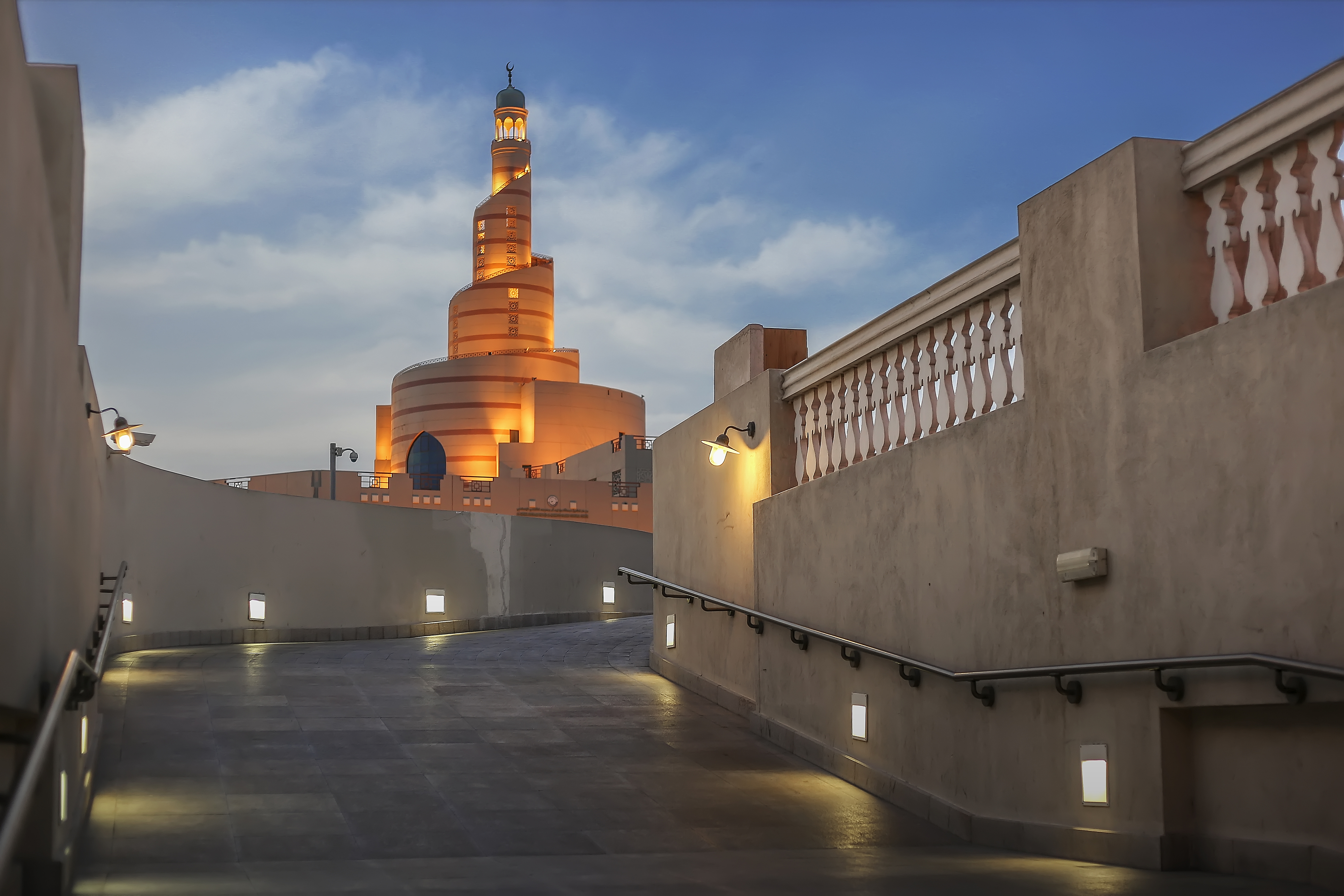
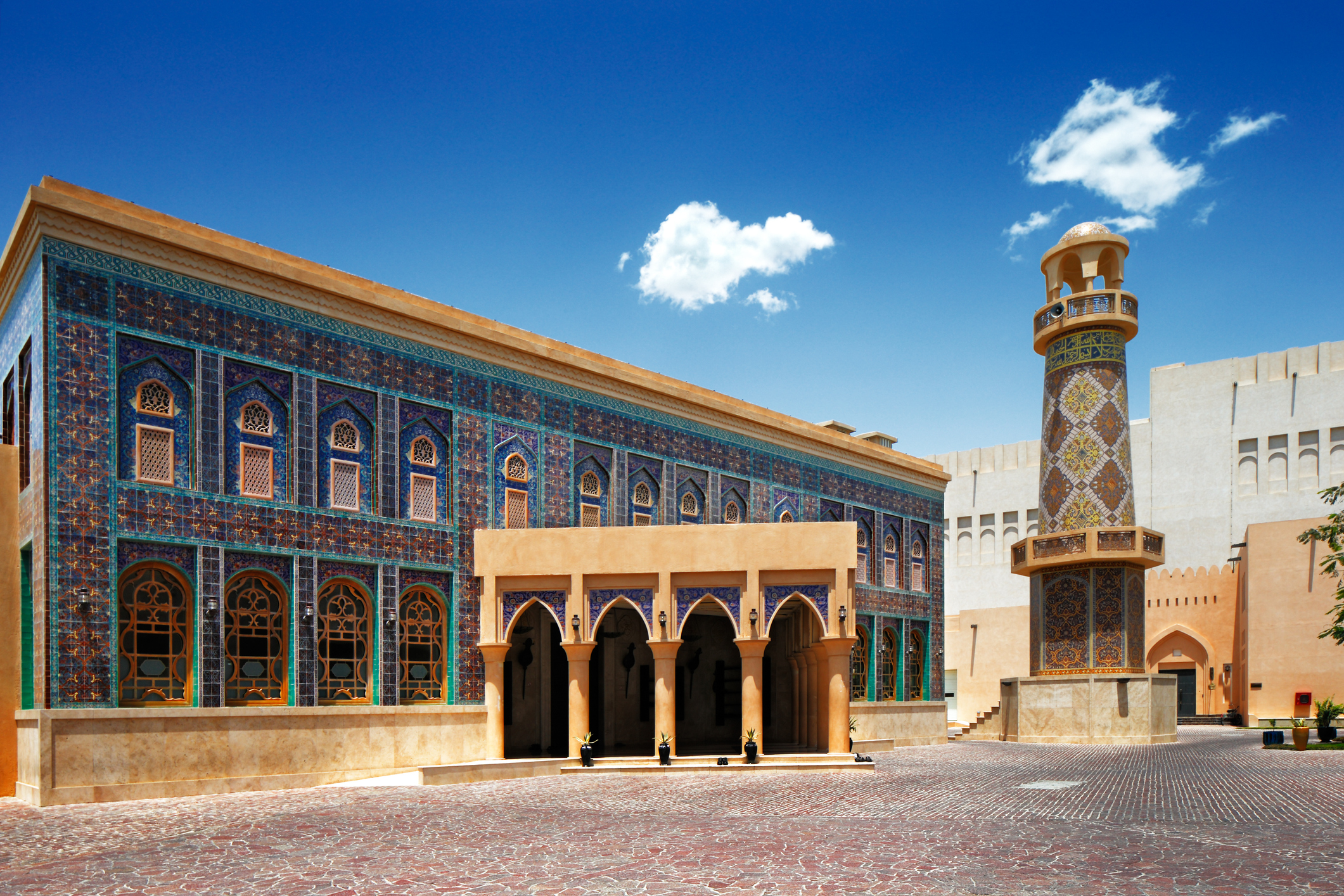

Eid Holidays: Eid holidays are much anticipated by all because ofthe festivity linked to the it. Schools and colleges make up to a 10 day holiday sandwiched between two weekends. Likewise, the government sector also announces a good figure of holidays for its employees. Many expatriates move to their home countries to celebrate Eid with their loved ones on these holidays.
Eid: Eid in Qatar is one of the biggest and the most celebrated religious occasions in Qatar. The Government puts in a considerable amount of effort in providing adequate entertainment to the public. One can never miss the Eid fireworks that are a sight to behold. Last year, due to COVID-19 restrictions, they were displayed virtually. Sponsored by Qatar Government, children are given Eidiya (a bag of Eid gift with a toy in it), and young girls and women also get to apply free henna at various stalls. Efforts are made to spark a streak of joy in all.


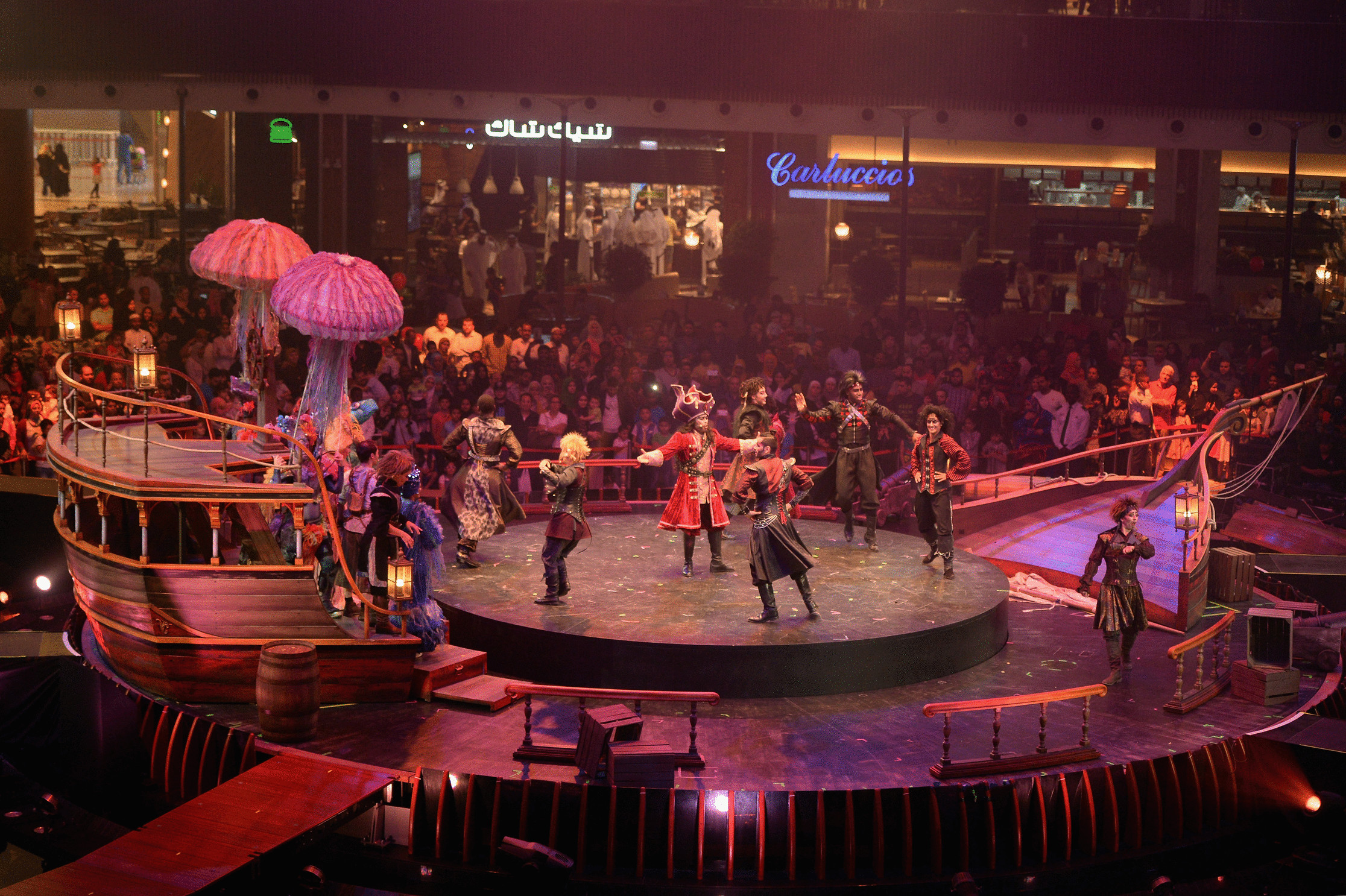
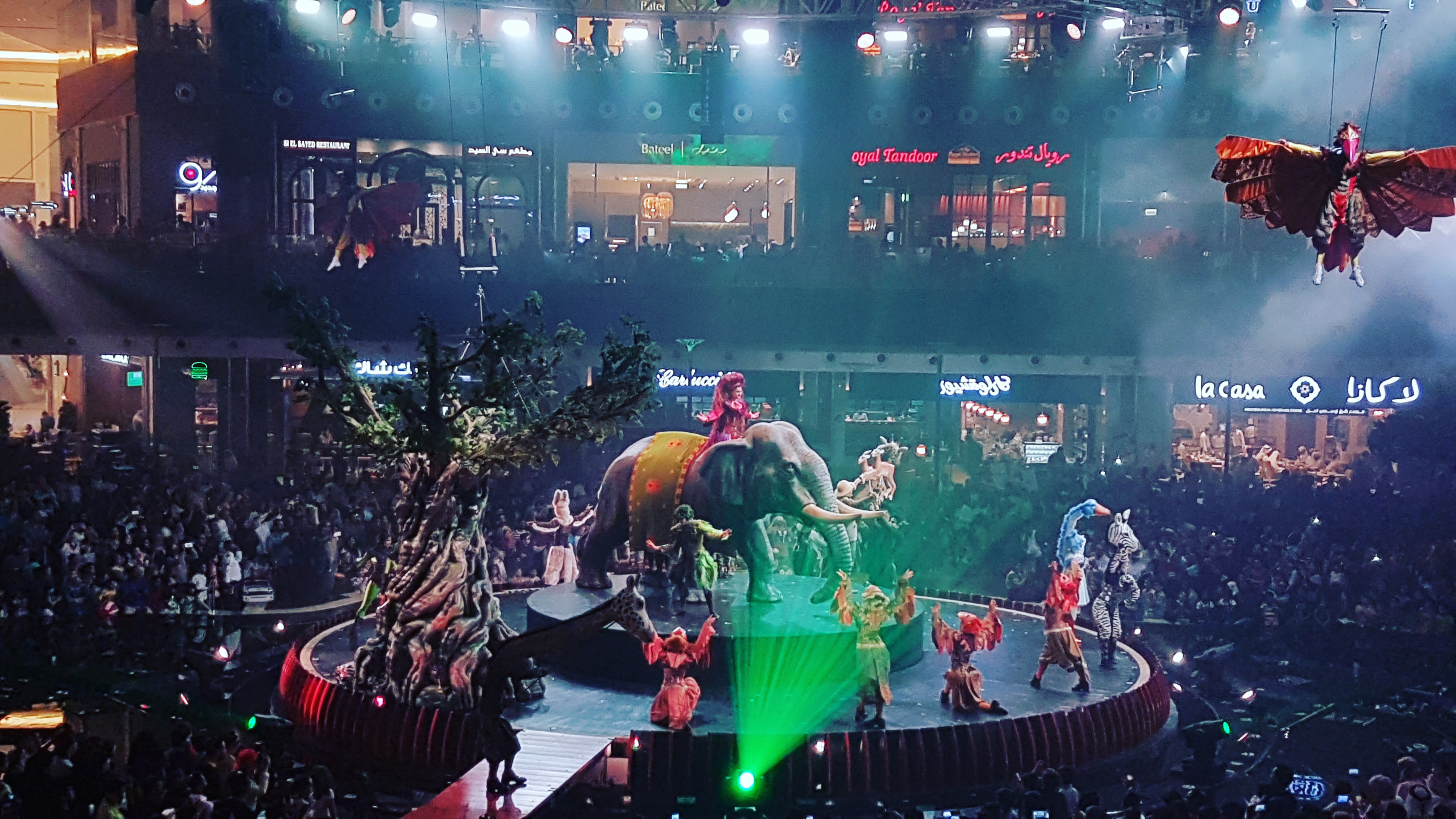
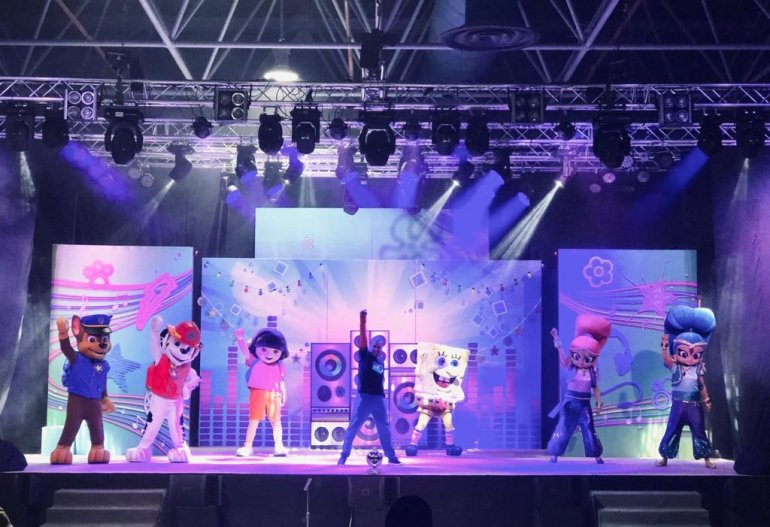
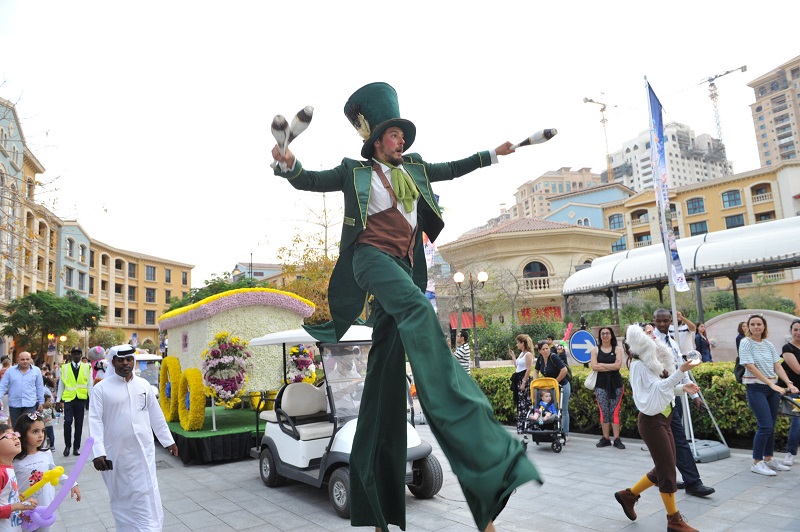
One can exploit every minute in the malls around Qatar on Eid as they proffer creative shopping experiences, dine-in options, and fun-filled activities. Qatar tries its best to secure the participation of many illustrious and prize-winning groups of performers and troupes to entertain its public. The press releases the timings and locale of all the shows that are about to take place in the 3 days (sometimes even more). (All activities subject to COVID-19 restrictions).





Qatar’s Acts of Creative Giving
Free Iftar Tents: Nearly all charity organizations in Qatar put up huge iftar tents at different places to cater to low-income workers. They are fully equipped, air-conditioned, nicely arranged, and welcome everyone irrespective of their faith. (This year too due to COVID-19 restrictions these tents won’t be seen rather the guests will be aided with other socially safe means).

The Ministry of Commerce and Industry: MoCI launches a discounted consumer goods initiative every year for the month of Ramadan. This time a total of 650 products are discounted whose consumption increases during the month.
Qatar Charity: Qatar Charity, every year launches a Ramadan Campaign. this season it’s entitled ‘Give and Shine Through‘. QC launches donation programs and charitable projects all year round but particularly during Ramadan, which is implemented inside and outside Qatar. QC has a special donation program called Sadaqa Gate, to ease people in donating daily sadaqa.
Qatar Red Crescent: QRC also steps on the forefront in providing food baskets to the less privileged and lower-income households in Qatar.
Due to COVID-19, many things have altered and changed altogether. This Ramadan would not be the same as it was in 2019 and the years that preceded. This year, yet again, the Ramadan and Eid activities are put to a halt. But we have to be mindful that we are fighting a greater war and we all need to stand together to make this world a better place even in these prevailing times. We need to raise our hands to help and lift our spirits to spread hope. This Ramadan, be generous, be charitable and be kind. May this month be a blessed one!
Mubarak Alekoum El Shahar!
~ QuratulAin Hamza
 QuratulAin Hamza